

The Society for Consumer Psychology (SCP) Annual Conference will convene from March 11 to March 14, 2027 in Cancun, Mexico! The SCP conference is a vital hub for scholars invested in consumer research and in advancing the field of consumer psychology in our global society.
Conference Chairs
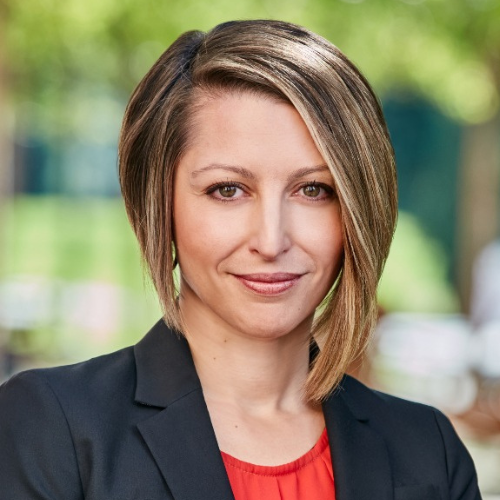
Stephanie Tully
Co-Chair
University of
Southern California
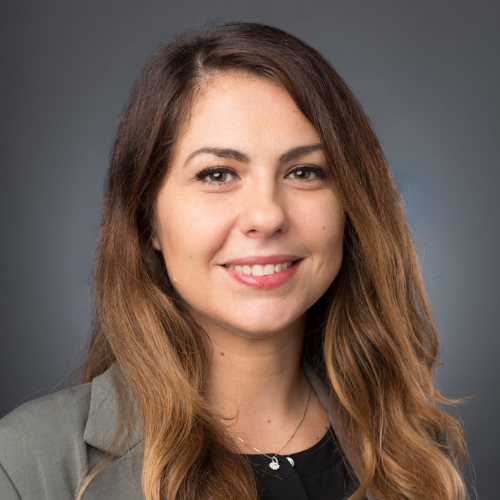
Francesca Valsesia
Co-Chair
University of Washington
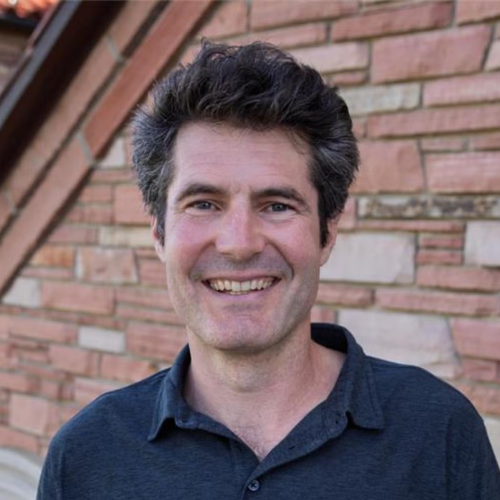
Nicholas Reinholtz
Doctoral Co-Chair
University of
Colorado Boulder
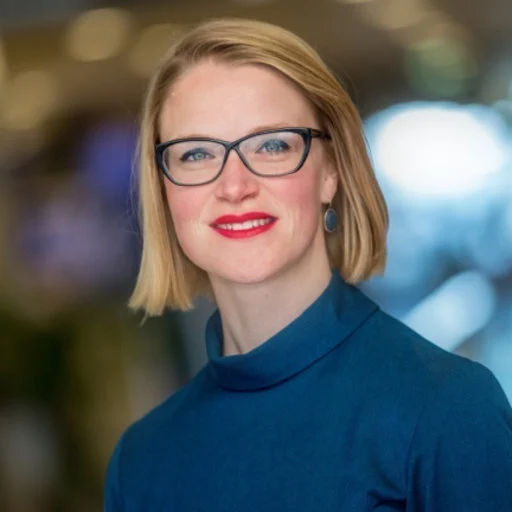
Nicole Mead
Doctoral Co-Chair
Nova School of Business & Economics
Quick Links
This year’s conference theme is “Humans in the Age of AI.“
This year’s theme is both an invitation and a provocation to examine what it means to be human as artificial intelligence reshapes how we think, decide, connect, and consume. A central goal of this year’s gathering, set against the backdrop of Cancun, is to bring scholars together to grapple with the questions AI raises for consumer psychology.
The theme Humans in the Age of AI is deliberately expansive. On one hand, it speaks directly to scholars studying technology: as AI becomes embedded in our lives, new questions emerge about how and when consumers interact with AI as well as how interactions with AI change our opinions and behaviors. On the other hand, the theme is just as compelling for work that has nothing to do with technology at all. The rise of AI gives fresh urgency to questions that have always animated our field, including what drives human emotion, judgment, connection, creativity, and meaning.
As AI increasingly shapes how we communicate, the candor and spontaneity of in-person dialogue become all the more essential to a thriving scholarly community. Therefore, we are introducing a new “Dialogues” track to help scholars engage with one another and with the issues shaping our field. This track is designed to spark conversation on questions of broad interest to the community. Some of these dialogues may take up AI directly, but the track is by no means limited to AI.
We welcome all submissions, regardless of their direct fit with the conference theme, across various formats, including Competitive Papers, Special Sessions, Dialogues, Workshops, and Working Papers.
Doctoral Consortium
A full-day Doctoral Consortium will precede the main conference on Thursday, March 11, 2027. The event will be co-chaired by Nicole Mead and Nicholas Reinholtz. The consortium welcomes all doctoral students and postdoctoral fellows, with further details to be announced separately.
Submission Instructions
Submission Deadline
All competitive paper, special session, dialogue, workshop, and working paper submissions are due by August 16, 2026. The submission website will close on August 16, 2026, at 11:59 PM PST. Acceptance notifications will be sent by mid-November 2026.
Submissions will be taken on ExOrdo. The website for submissions is scp2027.exordo.com.
Submission Types
There are five types of submissions at SCP:
- Competitive Papers: Competitive papers constitute advanced-stage work and address substantive, methodological, or theoretical topics in marketing and consumer psychology. We will be grouping four individual papers into 60-minute sessions. Authors will have 12 minutes to present their work, followed by a few minutes for questions and discussion.
- Special Sessions: Special sessions focus on a specific area of research. Submissions should share similar theoretical or methodological bases, or they may approach the same research question from different perspectives. Each session is 60 minutes and should include either 1) four papers without a discussant, or 2) three papers with an expert discussant. If a discussant is present, they should be an expert in the topic area and not an author of any of the featured papers. The special session chair is expected to lead the session. Special session chairs are responsible for submitting all materials by the deadline and ensuring that all session presenters commit to attending the conference if accepted and presenting during the session. Special session submissions will be judged according to paper fit, novelty, relevance, and completeness of the work.
- Dialogues: We are discontinuing traditional roundtables this year in favor of a new track called “Dialogues”. The purpose of the Dialogues is to facilitate lively public discussion of some theory, policy, or method in ways that go beyond what is possible in traditional conference sessions. As such, we will prioritize: 1) topics that would have relevance to a broad number of attendees and have received little attention at previous conferences or are actively evolving, and 2) sessions that present multiple distinct points-of-view to foster active debate, discussion, and (collegial) disagreements. Dialogues may take the form of formal debates, with a series of pre-determined set of formal positions, which participants agree to argue for or against in advance (note that participants don’t need to personally endorse the side they take on the debate, just be willing to play devil’s advocate to ensure that different sides are represented). Proposals that do not take the form of formal debates should be clear on how their preferred format will encourage active participation and multiple points of view. We are open to radically new and creative session formats—but please be specific on the aims and structure in your proposal.
- Workshops: The purpose of a workshop is to provide practical guidance or training on some method, tool, or skill that would be useful to consumer psychology researchers. The format of the session is flexible, but we encourage practical and hands-on experiences. It would be entirely appropriate, for example, for a workshop facilitator to encourage participants to bring laptops or to complete pre-readings, if that would facilitate learning. While we expect many workshops might revolve around AI and related topics (e.g., vibe-coding, the use of synthetic data in research), in line with the conference theme, we also encourage workshops on a wide range of topics that are broadly relevant to attendees (e.g., open science practices, reviewing, research design).
- Working Papers: Working papers report the results of research in early stages. These projects typically present preliminary results but detail ongoing research on substantive, theoretical, or methodological aspects in marketing and consumer psychology. Though working papers represent work in the early stages, the quality of the research questions and the methodological rigor should mirror those of competitive papers. Authors of accepted working papers will present their findings in the form of a poster, with exact details provided at the time of acceptance decisions.
Each SCP participant may present in no more than two sessions. When submitting to this conference, you must agree to be available at any time on both days of the conference (i.e., Friday 3/12/27 and Saturday 3/14/27) to present your work. If you will not be available on one of the days, please arrange for a co-author to present. We are unable to consider date/time change requests for presentations unless a presenter has been inadvertently scheduled to deliver two presentations during the same time slot.
Submission Guidelines
All submissions should be de-identified and uploaded in PDF format.
Please check the document properties to make sure your file is de-identified (File > Properties, and remove author information in the “Description” tab).
How to Submit a COMPETITIVE PAPER PROPOSAL:
Competitive Paper submissions must include the following:
- The title of the paper.
- The name, contact information, and affiliation of the author(s). Please indicate the author order and whether each author will serve as the corresponding author, presenter, or both. At least one author of each paper must agree to present the paper if accepted.
- A 75-100 word short abstract (for publication in the conference program).
- A 750-1,000 word extended abstract that summarizes the motivation, conceptualization, methodology, and major findings (for evaluation by reviewers). Abstracts should include the number of studies completed, study procedures, and summary statistics so that reviewers can judge the completeness and quality of the research. Incomplete or vague abstracts in which the completeness and quality cannot be ascertained will be rejected.
- References (APA style). References will not count against the word count of the extended abstract.
- Figures and Tables. Authors are welcome to use figures and tables in addition to the extended abstract. Figures and tables will not count against the word count of the extended abstract.
How to Submit a SPECIAL SESSION PROPOSAL:
Special Session submissions must include the following:
- The title of the special session.
- The name, contact information, and affiliation of each author. Please indicate whether each author will serve as the corresponding author, presenter, or both. At least one author of each paper must agree to present the paper if the proposal is accepted.
- A session proposal. To enable a blind review process, the uploaded special session proposal should not identify author names or affiliations. Proposals should include:
- A 500-word overview describing the session’s objective, topics to be covered, intended audience, stage of completion of each paper, and how the session contributes to the field of marketing and consumer psychology.
- The title of each presentation (up to four presentations may be included).
- A 75-100 word short abstract of each presentation (for publication in the conference program).
- A 750-1,000 word extended abstract of each presentation (for evaluation by reviewers). Abstracts should include the number of studies completed, the study procedures, and summary statistics so that reviewers can judge the completeness and quality of the research. Incomplete or vague abstracts in which the completeness and quality cannot be ascertained will be rejected.
- If the session features a discussant, please provide a description of the goals and plan for the discussion in the submission.
- References (APA style). References will not count against the word count of the extended abstract.
- Figures and Tables. Authors are welcome to use figures and tables in addition to the abstract. Figures and tables will not count against the word count of the abstract.
How to Submit a DIALOGUE PROPOSAL:
Dialogue submissions must include the following:
- The title of the dialogue.
- The name, contact information, and affiliation of the dialogue organizer/s.
- The names and affiliations of all the panelists who have agreed to participate in the dialogue if the proposal is accepted. Note, all dialogue organizers and panelists must register for the conference.
- A 75-100 word short abstract (for publication in the conference program) of the theoretical, substantive, or methodological topic discussed in the roundtable and the format the roundtable will take (e.g., debate, discussion).
- A 250-1,000 word extended abstract (for evaluation by Dialogues and Workshop Chairs) describing:
- a) The topic to be discussed during the session;
- b) The format of the session (e.g., formal debate with resolutions; discussion with multiple articulated points of view, etc.);
- c) A preliminary list of the questions or resolutions to be debated or discussed.
We offer the following suggestions when preparing a Dialogue proposal:
- While there is no formal requirement, we recommend keeping panels to 2–6 participants. Smaller panels tend to generate more dynamic discussion and genuine back-and-forth, giving each participant meaningful time to engage with questions and respond to other panelists’ views.
- Assign participants to a position on an issue beforehand, as part of the proposal. So, for example, on a panel of six, participants A, B, and C have agreed to argue in favor of some idea, and participants D, E, and F have agreed to argue against that idea.
How to Submit a WORKSHOP PROPOSAL:
Working paper submissions must include the following:
- The title of the workshop.
- A 75-100 word short abstract of the topic to be covered in the workshop (for publication in the conference program). If participants should bring anything or read anything before the session, this should be mentioned in the short abstract.
- The name, contact information, and affiliation of the workshop organizer/s.
- The names and affiliations of all other experts (if any) who have agreed to participate in the workshop if the proposal is accepted. Note, all workshop organizers and experts must register for the conference.
- A 250-1,000 word extended abstract (for evaluation by Dialogues and Workshop Chairs) describing:
- a) The topic to be covered during the session;
- b) The format of the session (e.g., demonstration, hands-on participation);
- c) The background of the workshop facilitators;
- d) The target audience and anticipated requirements of attendees (e.g., bring a laptop with a supplied database already downloaded).
We offer the following suggestions when preparing a Workshop proposal:
- Be specific about the aims of the session. A general session about the use of AI in CB research will be less useful than a more specific session about using a particular set of AI tools to facilitate a particular aspect of the research process.
- Be clear about the bona fides of the workshop organizers and experts. Why are they the right people to lead this training?
- Be clear about the need being addressed by this method, tool, or skill. Why is this an important issue for the SCP community?
- Be clear on how the audience will be involved.
- Specify the intended audience. Who will benefit most from this particular workshop?
How to Submit a WORKING PAPER PROPOSAL:
Working paper submissions must include the following:
- The title of the working paper.
- The name, contact information, and affiliation of each author. Please indicate the author order and whether each author will serve as the corresponding author, presenter, or both. At least one author must agree to present the poster if the working paper is accepted.
- A 75-100 word short abstract (for publication in the conference program).
- A 750-1,000 word extended abstract that summarizes the motivation, conceptualization, methodology, and major findings (for evaluation by reviewers).
- References (APA style). References will not count against the word count of the extended abstract.
- Figures and Tables. Authors are encouraged to use figures/graphs and tables in addition to the abstract. Figures and tables will not count against the word count.
Super Connectors
On a final note, this year, SCP is looking for volunteers at various career levels to be a part of the Super Connectors Squad. One of our main goals of this conference is to ensure that everyone feels welcomed, included, and valued in this community. If you feel that you are someone who is well connected and feels comfortable in social environments, with fostering connections, and with meeting new community members, you are an SCP Superconnector! We need you!! Please volunteer to be a part of the Super Connectors Squad by emailing us at chairs@myscp.org.